Rethink how your team prepares each judgment.
We sit with your regulatory team on live matters. One step at a time, we look at how it gathers the facts and sets out the framework. The judgment stays with your lawyers, and anything we build runs in your own platform.
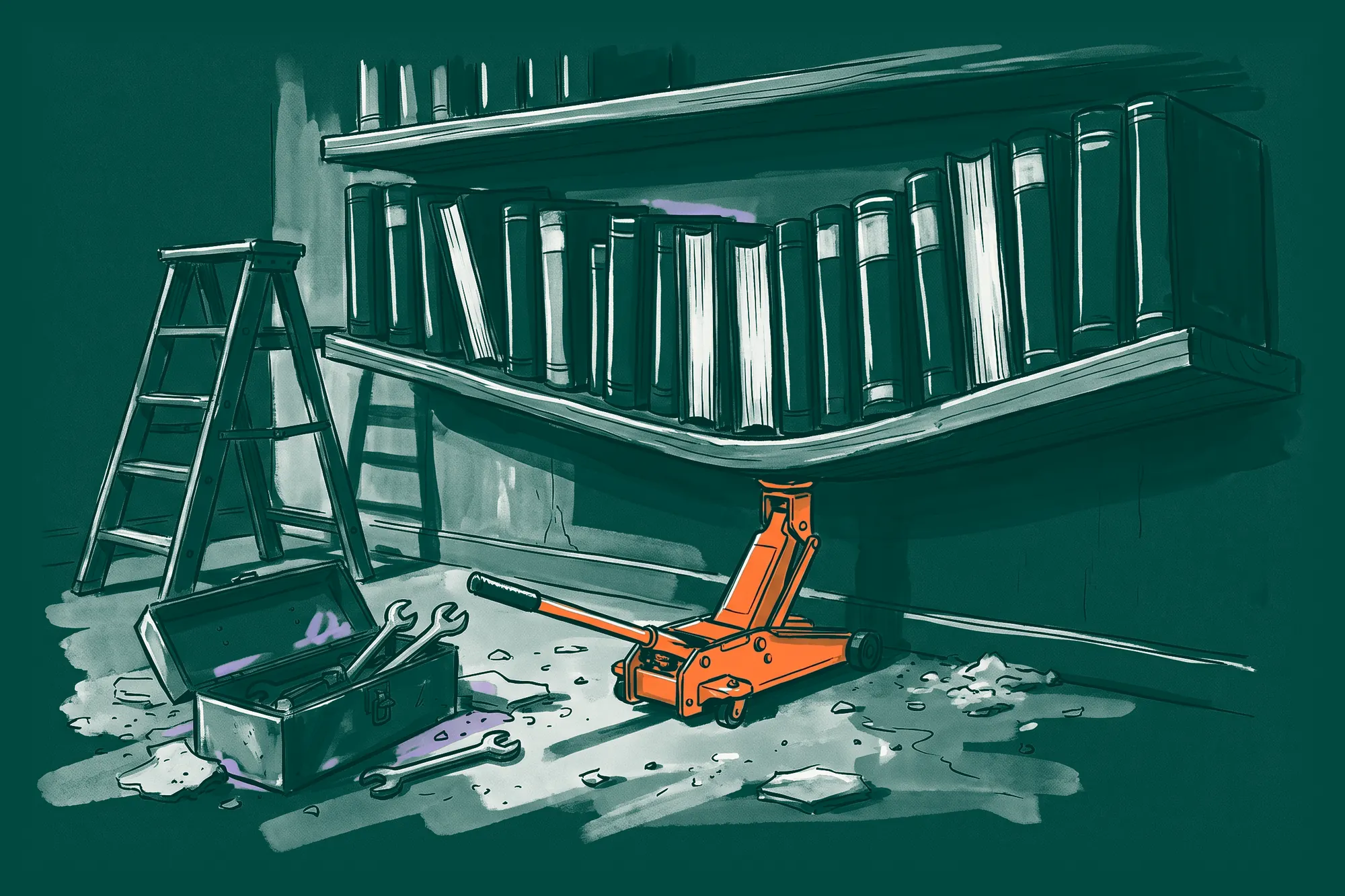
Where the law is unsettled, the lawyer decides. Facts and framework feed that.
A regulatory question is law applied to facts, and often the law has no settled answer. Where the law leaves room, the lawyer weighs what it means for the client.
Before the lawyer weighs in, someone has to collect the facts of the client's business and set out the rules that apply, often in several countries.
That preparation is where AI can work alongside the lawyer.
Where AI could change regulatory work
Each of these comes back in a regulatory practice, some of them in several countries at once. Where AI fits in each depends on how your team handles it now.
Tracking legislation and new regulation
Someone on the team follows new legislation and regulation and keeps the practice's knowledge up to date. AI can watch those sources and summarise each change for the lawyer to file.
Multi-jurisdictional analysis
In merger control and FDI screening, the lead lawyer follows several countries at once, with counsel in each. AI can track developments in the other countries and set the rules side by side for the lead lawyer.
Framework diagrams for clients
Lawyers explain a new regime to a client in a slide or a memo, usually built by hand. AI can turn the legislation into a first diagram for the lawyer to check and present.
Memos and client questions
The team writes a steady stream of memos and answers to client questions. AI can gather the sources and draft the structure, and the analysis stays with the lawyer.
Filings, licence applications and approvals
Each filing moves facts from the client's documents into the format a regulator asks for. AI can prepare a first draft from the client's material and the firm's earlier filings.
The client's business and products
Regulated clients run complicated businesses, and their products can be technical. Before a meeting, AI can search public documents on the client. It can also flag a product for a closer dual-use review.
How it works
We sit with the regulatory team
We work next to your lawyers and see how the regulatory work runs today.
We collect the opportunities
Ideas come from your team and from our own research. We weigh them with the partners on value, risk and confidentiality.
We build what the firm picks
That can be a prompt library, a knowledge framework, a workflow or new software, starting in the platform the firm already pays for.
We work on the next matters
We stay beside the team on the matters that follow, while the new way of working settles in.
Frequently asked questions
Our work is too specific and the rules keep changing. Does this work for us?
On open questions of law, the judgment stays with your lawyers. Tracking rule changes is one of the first tasks AI can share, with a lawyer filing each one. Your team's own sources and way of working are where we start, and a Practice Assessment maps them.
Can AI tell us what the law says in other countries?
It can track new rules abroad and set them next to your own. What a foreign rule means for your client stays with counsel in that jurisdiction.
Can't the Harvey or Legora team set this up for us?
Their team knows the platform, and helps you use it well. How your practice structures a memo or a filing still needs writing down. We do that with your team in a Workflow and Playbook.
Can't our own knowledge team do this?
They can, if they get time on live matters to write down which sources the lawyers use and how. We add that time, working next to the lawyers on their matters.
Isn't this a job for a strategy house?
A strategy house looks at the firm as a whole, and that has its place. We start from one regulatory team and the way it works now.
Tell us how your team wrote its last memo.
Say where the facts came from and which sources set out the framework. We look at it with you and mark the steps where AI belongs and the ones it should leave alone. If you want the whole practice mapped first, a Practice Assessment does that.